The Insulin Plant at Home: How to Grow This Powerful Medicinal Herb with Minimal Care
 Angelina Moore
 The insulin plant has quietly earned a place in home gardens around the world, especially among people interested in natural wellness and low-maintenance plants. Known for its broad green leaves and simple growing needs, this medicinal herb is often praised for its potential health-supporting properties—particularly in traditional practices related to blood sugar balance. The best part? You don’t need a large garden or expert skills to grow it successfully at home.
What Is the Insulin Plant?
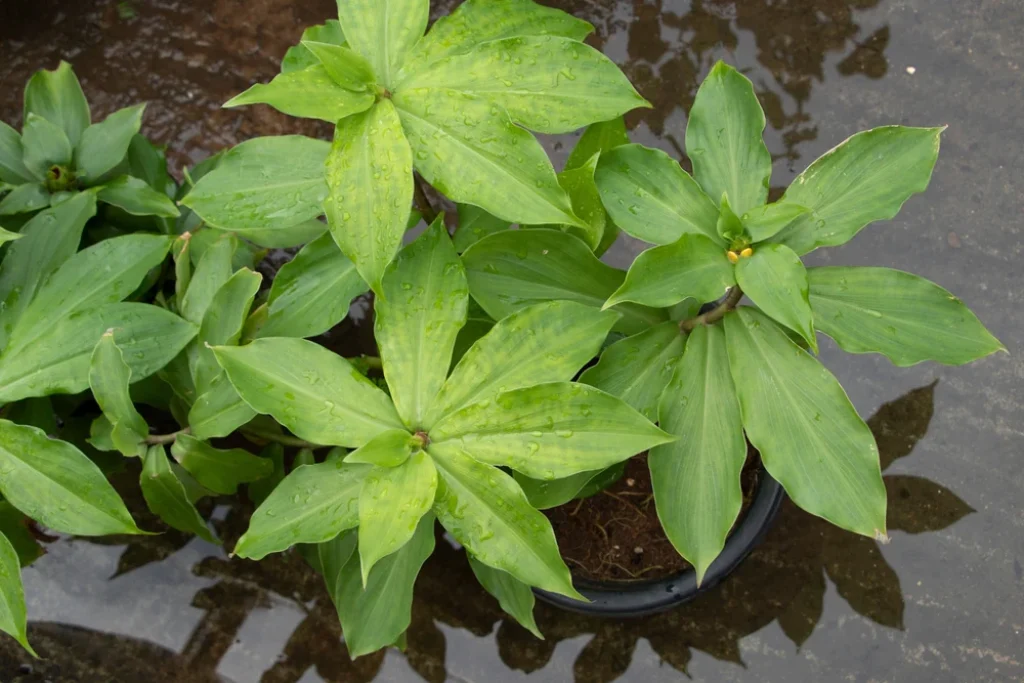
The insulin plant (Costus igneus), sometimes called the spiral flag or fiery costus, is a tropical perennial with long, glossy leaves arranged in a spiral pattern. Native to warm climates, it adapts well to pots, balconies, and backyard gardens. In many cultures, its leaves are traditionally consumed fresh or dried as part of natural wellness routines.
Why Grow It at Home?
Growing the insulin plant at home ensures freshness, purity, and easy access. It’s also cost-effective and environmentally friendly. Unlike many medicinal plants that require special care, this one thrives with basic attention, making it ideal for beginners, busy households, and urban gardeners.
Ideal Growing Conditions
The insulin plant prefers warm, humid conditions but is surprisingly adaptable.
- Sunlight: It grows best in bright, indirect sunlight. Direct harsh sun can scorch the leaves, while too little light may slow growth. A balcony, window with filtered light, or partially shaded garden spot works well.
- Temperature: The plant thrives in warm climates and should be protected from cold drafts and frost. Indoors, room temperature is usually sufficient.
- Soil: Use well-draining, nutrient-rich soil. A mix of garden soil, compost, and sand or coco peat allows roots to breathe while retaining moisture.
How to Plant and Propagate
The insulin plant is commonly grown from stem cuttings or rhizomes.
Start by placing the cutting horizontally or slightly angled into moist soil, ensuring at least one node is covered. Water lightly and keep the soil consistently moist—not soggy. Within a few weeks, new shoots will appear, signaling healthy root development.
Propagation is easy, which means one healthy plant can eventually become several.
Watering and Maintenance
This plant loves moisture but dislikes waterlogging.
- Water when the top layer of soil feels dry.
- Ensure pots have drainage holes to prevent root rot.
- During hot seasons, misting the leaves can help maintain humidity.
Minimal pruning is needed. Remove yellowing or damaged leaves to encourage new growth. Feeding the plant with organic compost or diluted liquid fertilizer once a month keeps it lush and vibrant.
Health Benefits (Traditional Use)
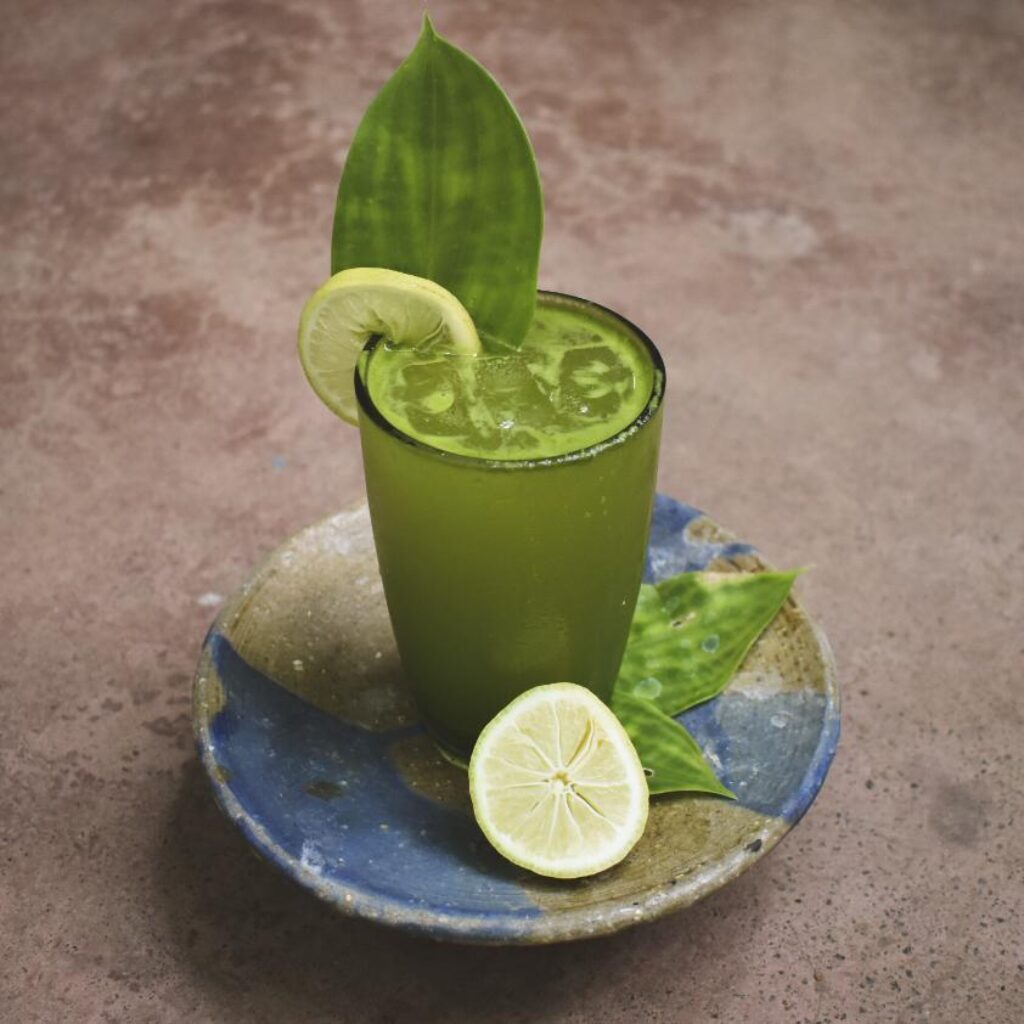
Traditionally, insulin plant leaves have been used in natural wellness practices to support metabolic health. They are known to contain antioxidant compounds and plant-based nutrients. Many people consume the leaves fresh, dried, or brewed into herbal infusions.
Important note: While traditionally used, the insulin plant should not replace prescribed medical treatment. Anyone managing health conditions should consult a qualified healthcare professional before adding it to their routine.
Indoor vs Outdoor Growing
The insulin plant grows well both indoors and outdoors. Indoors, it adds a lush, tropical feel to living spaces while offering easy access for harvesting. Outdoors, it spreads more freely and may even produce small orange flowers under ideal conditions.
Why It’s Perfect for Modern Lifestyles
With minimal care requirements, natural beauty, and traditional wellness appeal, the insulin plant fits seamlessly into modern living. It doesn’t demand constant attention, survives occasional neglect, and rewards growers with steady growth year-round in warm conditions.
Growing an insulin plant at home is a simple step toward greener living and mindful wellness. With the right light, basic watering, and a little patience, this humble plant can become one of the most rewarding additions to your home garden—proving that powerful plants don’t have to be complicated to grow.