 Angelina Moore
 Rising dramatically above the Mediterranean, a fortress by the sea in Corsica feels less like a monument and more like a guardian frozen in time. Perched on rugged cliffs where turquoise waves crash against pale rock, these coastal strongholds tell stories of invasion, survival, and centuries of strategic watchfulness. In Corsica, history doesn’t sit quietly in museums—it stands boldly against the wind, overlooking the endless horizon.
Corsica’s position in the Mediterranean made it a prized possession for empires. Genoese, Pisan, and French forces all left their mark on the island, and nowhere is that legacy more visible than in its seaside fortresses. Built to defend against pirates and rival fleets, these structures were designed with both strength and visibility in mind. Thick stone walls, narrow watchtowers, and elevated positions allowed defenders to spot approaching ships long before they reached shore.
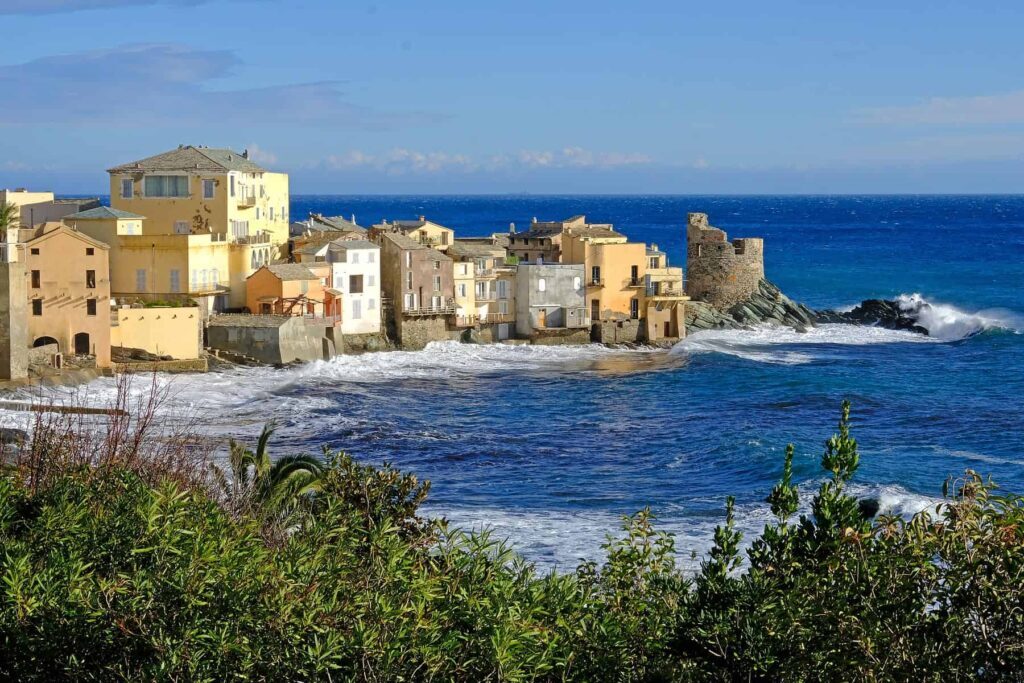
One of the most striking aspects of a Corsican coastal fortress is its setting. Unlike inland castles surrounded by forests or plains, these fortresses rise directly from cliffs, often appearing to grow out of the rock itself. From below, they seem unreachable. From above, they offer sweeping views of the sea, where the changing shades of blue reflect the shifting light of the day. The sound of waves constantly reminds visitors of the reason these fortresses exist: the sea was both lifeline and threat.
Walking through such a fortress is an immersive experience. Stone steps worn smooth by centuries of use lead through archways and ramparts. Cannons still point toward the horizon, silent but commanding. Narrow corridors open into courtyards where soldiers once gathered, waiting for signals from the watchtowers. Every corner feels purposeful, built not for comfort but for endurance.
Yet despite their military origins, there is a surprising beauty to these structures. Sun-warmed stone glows golden in the afternoon light. Wild herbs grow between cracks in the walls, softening the severity of the architecture. Seabirds nest in high crevices, turning former defense points into places of life. Time has transformed these fortresses from symbols of conflict into landmarks of resilience.
Corsica’s fortresses also reflect the island’s complex identity. Influenced by Italian and French cultures, Corsican architecture blends styles in subtle ways. Arched gateways, fortified citadels, and geometric bastions reveal a layered history shaped by shifting powers. Standing within these walls, it’s easy to feel how deeply the island’s past is tied to the sea and to the need for protection.
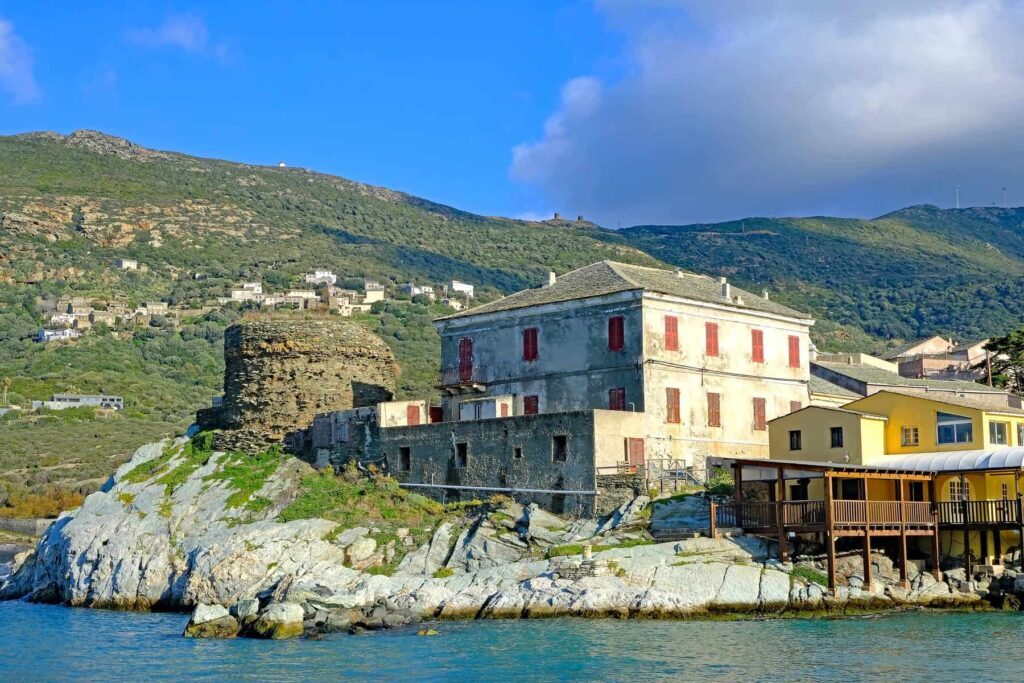
Today, many of these fortresses are open to visitors, offering a quiet escape from modern life. They are places to slow down, to trace history with your hands, and to imagine life in an era when the sight of a distant sail could change everything. Sunset is particularly powerful, when the sky softens into shades of pink and gold and the fortress silhouette darkens against the glowing sea.
A fortress by the sea in Corsica is more than a historical site—it’s a meeting point of nature and human ambition. It reminds us that beauty and strength often coexist, shaped by necessity and time. Long after cannons fell silent, these stone sentinels continue to watch over the Mediterranean, telling their stories to anyone willing to listen.