
 Vivian Cao
 Living with a thyroid condition—whether hypothyroidism, hyperthyroidism, or autoimmune disorders like Hashimoto’s—often means paying closer attention to everyday habits, especially diet. While food alone can’t cure thyroid problems, certain common foods may interfere with thyroid function, hormone absorption, or symptom management when eaten frequently or in large amounts.
Here are six everyday foods people with thyroid issues are often advised to limit or avoid, along with the reasons why. (As always, individual needs vary—this is general guidance, not a medical prescription.)
1. Soy and Soy-Based Products
Soy is everywhere: tofu, soy milk, soy protein bars, and even hidden in packaged foods. While soy isn’t inherently “bad,” it contains compounds called isoflavones that may interfere with thyroid hormone absorption—especially for people taking thyroid medication.
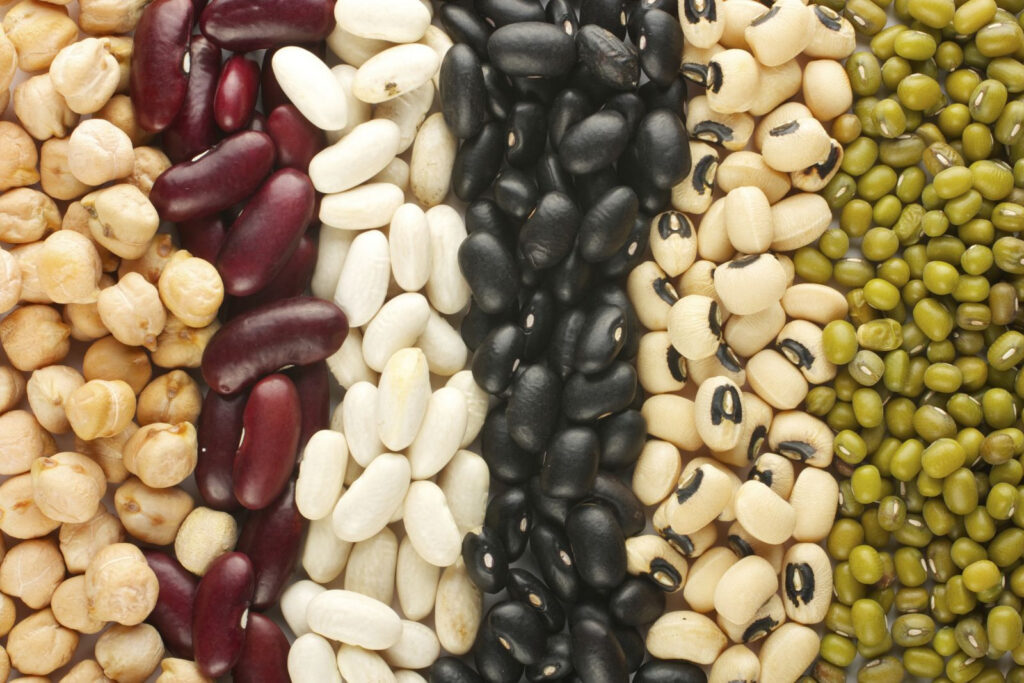
For those with hypothyroidism, consuming soy close to medication time can reduce how well the body absorbs synthetic thyroid hormones. This doesn’t mean soy must be eliminated completely, but moderation and timing matter.
Tip: If you consume soy, keep it several hours away from thyroid medication.
2. Cruciferous Vegetables (When Raw and Excessive)
Vegetables like cabbage, broccoli, cauliflower, kale, and Brussels sprouts are often labeled “superfoods,” but they contain goitrogens, substances that can interfere with iodine uptake in the thyroid.
In realistic portions, these vegetables are generally safe—especially when cooked. Problems are more likely when they’re eaten raw in large quantities, such as daily green smoothies loaded with kale.
Tip: Cooking significantly reduces goitrogenic effects.
3. Gluten
Gluten doesn’t affect everyone with thyroid issues, but it can be problematic for people with autoimmune thyroid disorders, particularly Hashimoto’s disease. Research suggests a link between gluten sensitivity and autoimmune responses that may worsen inflammation.
For some, gluten can also contribute to digestive issues, which can indirectly affect nutrient absorption critical for thyroid health, such as iodine, selenium, and iron.
Tip: If you suspect sensitivity, discuss testing or a trial elimination with a healthcare professional.
4. Highly Processed Foods
Packaged snacks, fast food, frozen meals, and sugary treats are often high in refined carbohydrates, unhealthy fats, and additives. These foods can contribute to inflammation, weight gain, blood sugar imbalance, and fatigue—symptoms commonly associated with thyroid disorders.
They also tend to be low in nutrients that support thyroid health, offering calories without nourishment.
Tip: Focus on whole, minimally processed foods most of the time.
5. Excess Sugar
Sugar doesn’t directly damage the thyroid, but it can worsen symptoms many thyroid patients already struggle with—fatigue, mood swings, weight gain, and insulin resistance.
For people with hypothyroidism, excess sugar may further slow metabolism. For those with hyperthyroidism, it can intensify anxiety and energy crashes.
Tip: Reducing added sugars can help stabilize energy and mood.
6. Caffeine (In Excess)
Coffee and caffeinated drinks can interfere with thyroid medication absorption if consumed too soon after taking it. Additionally, excess caffeine may worsen symptoms like anxiety, heart palpitations, and sleep issues—particularly in people with hyperthyroidism.
Tip: Wait at least 30–60 minutes after medication before drinking coffee.
Final Thoughts
Managing thyroid issues isn’t about strict food rules or fear—it’s about awareness and balance. Many of these foods can still be part of a healthy diet when consumed mindfully and in appropriate amounts. What matters most is consistency, timing (especially with medication), and listening to your body.
Because thyroid conditions vary widely, the best dietary approach is always personalized. If you’re unsure how certain foods affect you, working with a doctor or registered dietitian can help you build a plan that supports both your thyroid and your overall well-being.