 Vivian Cao
 Over the past decade, a powerful shift has transformed the way people work, earn, and build influence online. What began as hobby blogging and casual video uploads has evolved into a thriving global ecosystem known as the creator economy. Today, millions of individuals generate income by producing content, building communities, and monetizing their expertise across digital platforms.
From YouTubers and podcasters to newsletter writers and educators, creators are reshaping the future of employment and entrepreneurship.
What Is the Creator Economy?
The creator economy refers to the network of independent content creators, influencers, educators, and digital entrepreneurs who earn revenue directly from their audiences. Instead of relying solely on traditional employment structures, creators build personal brands and monetize through ads, sponsorships, subscriptions, merchandise, digital products, and brand collaborations.

Platforms like YouTube, Instagram, TikTok, and Substack have enabled individuals to turn creativity into sustainable careers.
Why the Creator Economy Is Growing Rapidly
1. Low Barriers to Entry
With just a smartphone and internet access, almost anyone can start creating content. The accessibility of digital tools has democratized entrepreneurship.
2. Shift Toward Authentic Content
Audiences increasingly value relatable voices over corporate messaging. Consumers trust creators who share personal experiences and niche expertise.
3. Diversified Monetization Streams
Creators are no longer limited to ad revenue. They can offer:
- Paid memberships
- Online courses
- Exclusive communities
- Affiliate marketing
- Brand partnerships
This diversification reduces dependence on any single income source.
4. Global Audience Reach
Digital platforms allow creators to reach international audiences instantly. A small-town content creator can build a global following within months.
The Power of Niche Communities
One major driver of growth is niche specialization. Instead of trying to appeal to everyone, creators focus on specific interests such as personal finance, fitness, gaming, sustainable living, or productivity.
Niche communities foster deeper engagement. Followers often feel personally connected to creators, leading to higher loyalty and stronger monetization opportunities.
Brands and the Influencer Shift
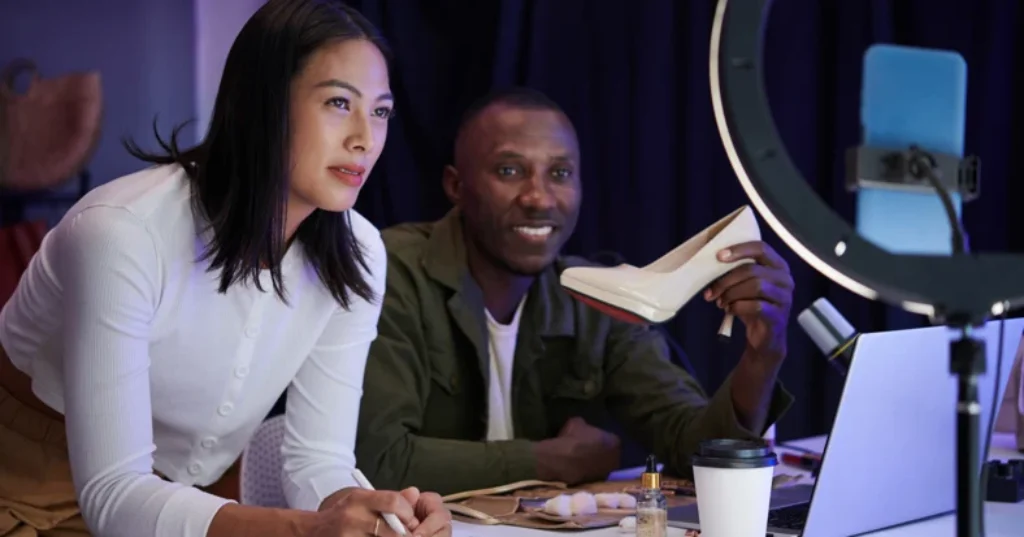
Businesses have adapted to this new landscape by shifting marketing budgets toward influencer partnerships. Instead of traditional advertising campaigns, brands collaborate with creators who already have trusted audiences.
This approach offers:
- Higher engagement rates
- Targeted marketing
- Authentic product integration
For creators, brand deals can represent a significant portion of revenue, especially for those with highly engaged communities.
The Role of Technology
Technological advancements have accelerated creator economy growth. Tools for video editing, graphic design, and live streaming have become more accessible and user-friendly. Artificial intelligence is now assisting with script writing, analytics, and audience targeting.
Additionally, subscription-based models and direct fan support platforms allow creators to earn predictable recurring income.
Challenges Within the Creator Economy
Despite rapid expansion, the creator economy faces challenges:
- Algorithm dependency: Platform changes can drastically impact visibility.
- Income volatility: Earnings may fluctuate monthly.
- Burnout: Constant content production can lead to creative fatigue.
- Market saturation: Increased competition makes differentiation harder.
Sustainable success often requires strategic planning, brand building, and diversification beyond a single platform.
The Rise of Creator Entrepreneurship
Today’s creators are not just content producers — they are entrepreneurs. Many expand into:
- Launching personal brands
- Publishing books
- Developing apps
- Hosting live events
- Creating product lines
This evolution reflects a broader shift in how people view career paths. The traditional 9-to-5 job is no longer the only route to financial stability.
Impact on the Future of Work
The growth of the creator economy signals a transformation in the global workforce. Younger generations increasingly aspire to build independent careers rather than rely solely on corporate employment.
Remote work culture, digital literacy, and social media fluency have further fueled this trend. Even established professionals are building personal brands alongside traditional careers.
Governments and financial institutions are also beginning to recognize creators as legitimate economic contributors, shaping policies related to taxation and digital income reporting.
What’s Next for the Creator Economy?
Looking ahead, several trends are likely to shape its future:
- Greater platform regulation
- Expansion of digital ownership models
- More emphasis on community-driven content
- Integration of immersive technologies
As audiences continue to seek connection and authenticity, creators who provide value-driven, meaningful content will remain at the forefront.
Final Thoughts
The creator economy is more than a trend — it represents a fundamental shift in how value is created and distributed in the digital age. Empowered by technology and fueled by audience trust, creators are redefining entrepreneurship on a global scale.
While challenges remain, the opportunities are vast. For those willing to innovate, adapt, and stay consistent, the creator economy offers not just income potential but creative freedom and global influence.