Mapping the Cosmos in Stone: A Vast Ancient Maya Complex Sheds Light on Early Universal Knowledge
 Angelina Moore
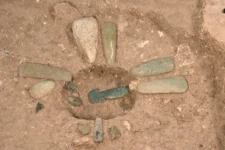
 Deep within the forests of Mexico, archaeologists have uncovered an enormous prehistoric Maya site that is transforming our understanding of how ancient civilizations viewed the universe. The newly documented complex, remarkable for its scale and precise layout, suggests that the Maya possessed a sophisticated understanding of astronomy, time, and cosmic order far earlier than previously believed.
This discovery adds a powerful new chapter to Maya history, revealing that monumental architecture was not only political or ceremonial in nature but also deeply connected to humanity’s relationship with the cosmos.
A Monumental Discovery Beneath the Canopy
The site, hidden for centuries beneath dense vegetation, came into clearer focus through advanced mapping technologies such as aerial scanning and ground surveys. What emerged was a vast architectural complex featuring platforms, plazas, and carefully aligned structures spanning a large area. The scale alone suggests it served as a major ceremonial and cultural center rather than a small settlement.
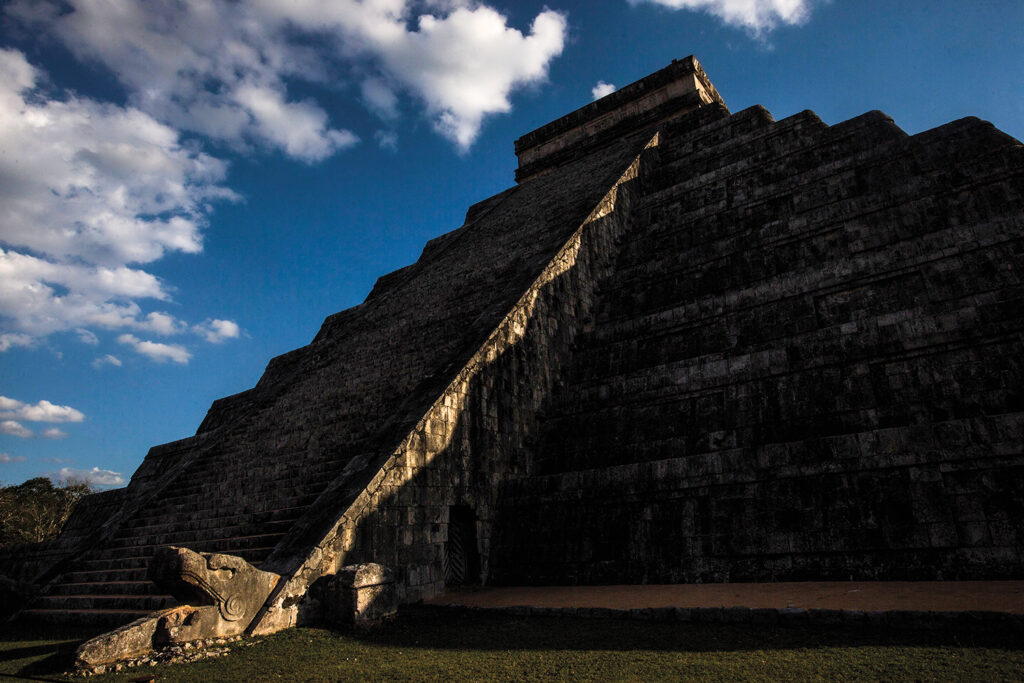
Archaeologists believe the site dates back to an early period of Maya civilization, predating many of the famous stone cities known today. Its discovery challenges long-held assumptions about when complex urban planning and large-scale construction began in the Maya world.
Architecture Aligned with the Sky
What makes the site especially significant is its apparent astronomical alignment. Several structures appear positioned to correspond with celestial events such as solstices, equinoxes, and solar movements. These alignments indicate that the Maya were closely observing the sky and incorporating those observations into their built environment.
Rather than random construction, the layout suggests intentional design rooted in cosmological beliefs. For the Maya, the universe was an interconnected system linking the heavens, the earth, and the underworld. Architecture served as a physical expression of this worldview.
Early Evidence of Cosmic Awareness
The discovery points to an early understanding of time cycles and celestial patterns. The Maya calendar system, known for its complexity, may have its roots in sites like this one. The positioning of ceremonial spaces could have allowed gatherings during key astronomical events, reinforcing the spiritual and social importance of cosmic cycles.
This suggests that astronomy was not limited to elite scholars but played a central role in community life. The sky was both a clock and a guide, influencing agriculture, rituals, and governance.
Rethinking Maya Civilization’s Timeline
Traditionally, monumental Maya architecture has been associated with later periods, when city-states flourished across Mesoamerica. This site pushes that timeline back, indicating that large, organized societies existed earlier than previously documented.
The discovery highlights how much remains hidden beneath the landscape and how modern technology is reshaping archaeological understanding. It also underscores the importance of reexamining early Maya development through a broader lens.
A Sacred Landscape, Not Just a City
Researchers emphasize that the site should not be viewed solely as an urban center. Instead, it appears to be a ceremonial landscape designed to reflect the structure of the universe itself. Open plazas, raised platforms, and long processional routes may have symbolized cosmic pathways, connecting human activity with celestial movement.
This reinforces the idea that ancient Maya cities were not just places to live, but sacred spaces where cosmology was experienced physically and communally.
Preservation and Cultural Significance
The discovery has also renewed discussions about preservation. As awareness grows, protecting the site from environmental damage and looting becomes critical. For modern descendants of the Maya, such findings hold deep cultural significance, affirming the scientific and philosophical achievements of their ancestors.
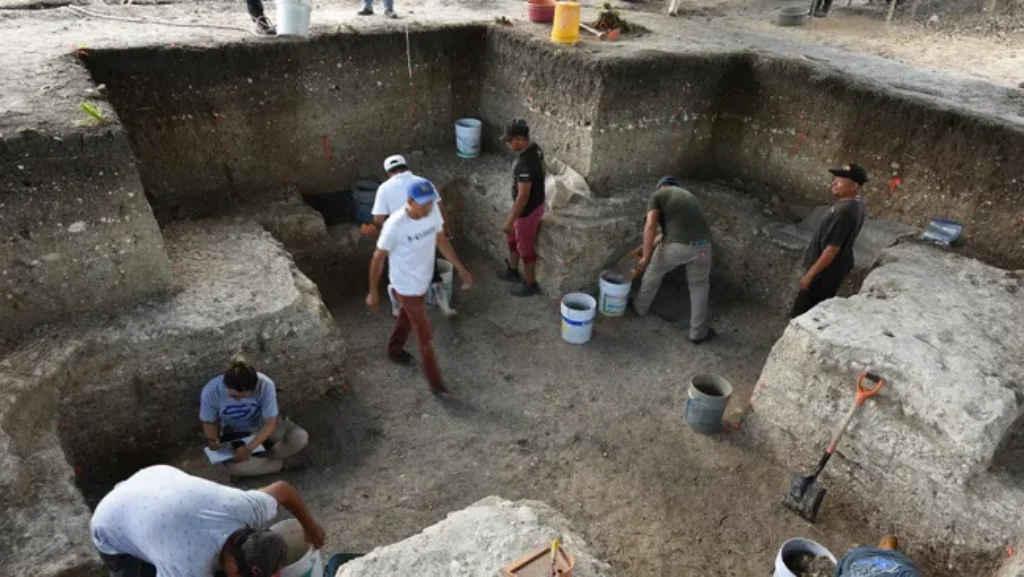
These discoveries serve as reminders that ancient knowledge systems were complex, empirical, and deeply integrated into daily life.
What This Discovery Means for the Future
As research continues, the site may offer further insights into early Maya engineering, social organization, and belief systems. Each new finding brings us closer to understanding how ancient civilizations interpreted the universe long before modern science named the stars.
This vast prehistoric Maya complex stands as a testament to humanity’s enduring desire to understand its place in the cosmos—etched not in books, but in stone, space, and sky.