Cities Are Planting Cooling Forests to Fight Heatwaves — And the Results Are Transforming Urban Life
 Vivian Cao
 Around the world, cities are heating up faster than the rest of the planet. Skyscrapers trap warm air, concrete absorbs radiation, and millions of vehicles add to rising temperatures. Yet as heatwaves grow more intense and frequent, urban leaders are turning to one of the oldest climate solutions on Earth—trees. The newest global trend, cooling forests, is reshaping city landscapes and offering a natural shield against extreme heat.
From Paris to Singapore to Delhi, urban forests are no longer seen as decorative green spaces. They are now essential climate infrastructure—carefully designed clusters of trees planted to cool the air, restore ecosystems, and protect residents from heat-related emergencies.
Why Cooling Forests Are Becoming Essential
Urban heatwaves aren’t just uncomfortable—they are dangerous. In many countries, they cause more deaths each year than storms, floods, or earthquakes combined. The reason is simple: concrete-dominated cities retain heat long after the sun sets, creating “heat islands” where nighttime temperatures barely drop.
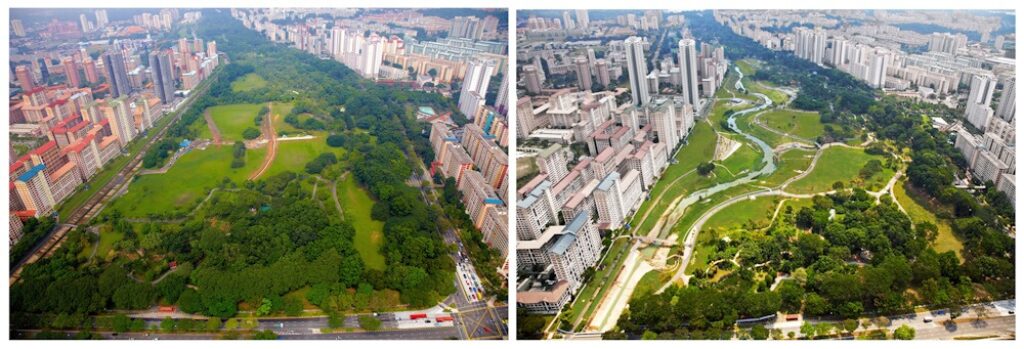
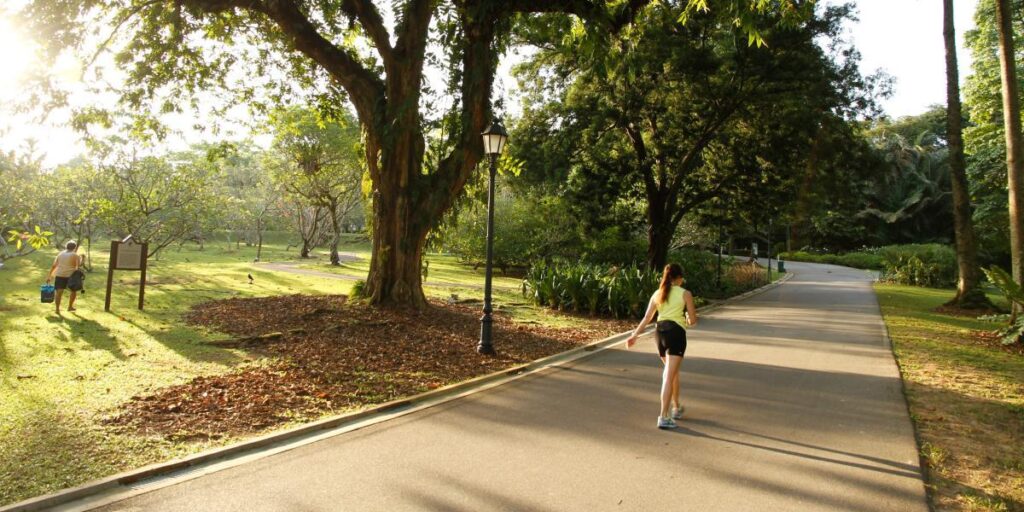
Cooling forests directly counter this effect. Trees release water vapor, block sunlight, and lower temperatures through shade and evapotranspiration. Studies show that green spaces can reduce local temperatures by 3–8°C, making them one of the most effective natural cooling systems available.
In an era where climate risks are rising, planting trees isn’t just environmental activism—it’s survival strategy.
A Global Movement Takes Root
Cooling forests have gained momentum across continents, each city tailoring efforts to its geography, population, and climate goals.
1. Paris: Urban Forests at Landmark Sites
The French capital, once heavily criticized for its lack of greenery, is transforming iconic spaces into micro-forests. Near the Hôtel de Ville and along major streets, densely planted clusters of native species help cool high-traffic areas. These forests also encourage biodiversity, giving birds and insects pockets of refuge in the city center.
2. Singapore: The Garden City Goes Further
Singapore’s approach is more futuristic. Known for vertical gardens and sky parks, it has now introduced “nature corridors”—linear forests that connect parks, reservoirs, and residential zones. These corridors help moderate temperatures across entire districts, while improving walkability and air quality.
3. Delhi: Fighting Extreme Heat With Dense Tree Belts
Delhi, one of the world’s hottest megacities, has started planting dense native forests inspired by the Miyawaki method. These compact forests grow 10 times faster than traditional parks and create natural cool zones in crowded neighborhoods. In areas where temperatures often exceed 45°C, such spaces bring immediate relief to residents.
4. Melbourne: A 40-Year Urban Forest Strategy
Australia’s long-term plan focuses on planting drought-resistant trees that can survive extreme weather. Melbourne’s target is ambitious: double its tree canopy cover by 2040. The city’s modeling shows that increased canopy can reduce heat-related hospital visits significantly.
The Science Behind the Cooling Effect
Trees cool their surroundings in three powerful ways:
- Shade: Directly blocks solar radiation and prevents ground-level heat buildup.
- Evapotranspiration: Trees release moisture into the air, creating a natural cooling effect similar to sweat evaporation in humans.
- Carbon Absorption: While not immediate cooling, long-term carbon absorption helps slow climate warming.
Even small patches of forest create pockets of cool air that spread outward, improving thermal comfort across wider neighborhoods.
More Than Cooling: The Extra Benefits
Beyond lowering temperatures, cooling forests offer surprising additional advantages:
- Cleaner air by absorbing pollutants
- Reduced noise as dense foliage muffles traffic
- Boosted mental well-being through nature access
- Increased property values around green corridors
- Lower energy use, as cooler areas reduce demand for air conditioning
Cities that once prioritized highways and buildings are now rediscovering the power of biodiversity.
Challenges and the Path Ahead
Creating cooling forests is not without hurdles. Urban land is limited and expensive. Water supply can be an issue in drought-prone regions. Some critics worry that rapid planting may lead to poor maintenance.
However, many cities are solving these problems with innovative strategies: rooftop forests, vertical tree walls, reclaimed industrial land, and community-led planting initiatives.
The momentum suggests that cooling forests are not a passing trend—they’re a fundamental part of climate-adaptive urban planning.
A Greener, Cooler Future for Cities
As global temperatures rise, cities must decide whether to adapt or face escalating climate risks. Cooling forests represent a rare solution that is both practical and poetic—a reminder that some of the world’s most advanced climate ideas come from nature itself.
In the years ahead, walking through a city may feel more like walking through a living, breathing forest—and for millions, that shift cannot come soon enough.