
 Vivian Cao
 Magnesium is often praised for supporting muscle function, heart health, and better sleep. But in recent years, researchers have turned their attention to another possible benefit: brain health. With dementia rates rising globally, scientists are investigating whether something as simple as maintaining healthy magnesium levels could influence long-term cognitive function.
So what actually happens to your brain when you take magnesium daily — and can it reduce dementia risk?
Why Magnesium Matters for the Brain
Magnesium is an essential mineral involved in over 300 biochemical reactions in the body. In the brain specifically, it plays a key role in:
- Regulating neurotransmitters
- Supporting nerve signal transmission
- Reducing inflammation
- Protecting neurons from excessive stimulation
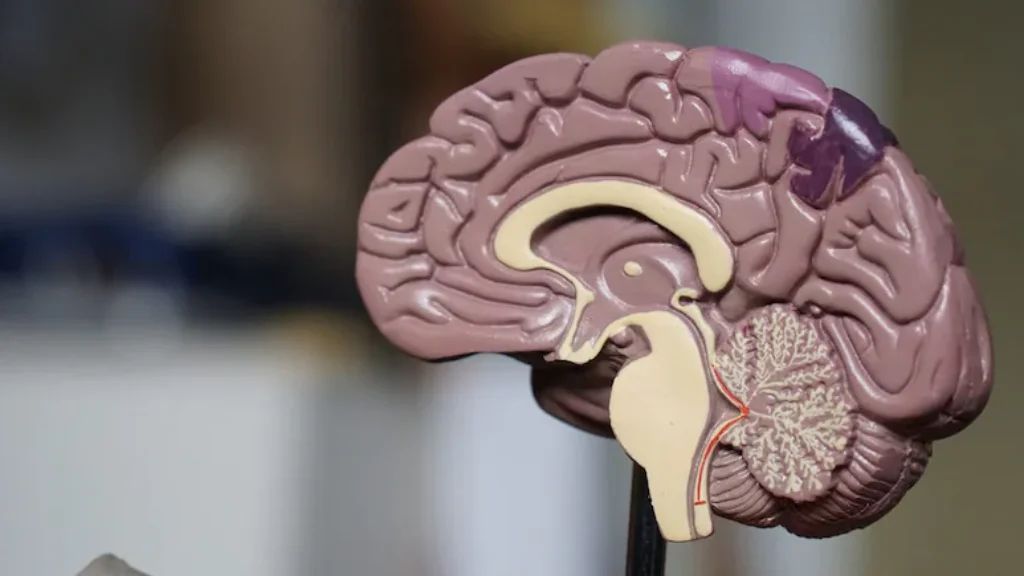
It also helps control NMDA receptors, which are critical for learning and memory. When these receptors are overstimulated, it can lead to neuronal damage — something linked to neurodegenerative diseases.
Maintaining adequate magnesium levels may therefore help stabilize brain function and protect against long-term decline.
The Link Between Magnesium and Dementia
Dementia, including Alzheimer’s disease, involves progressive damage to brain cells. Inflammation, oxidative stress, and disrupted neural communication all contribute to cognitive decline.
Some observational studies suggest that individuals with higher dietary magnesium intake may have a lower risk of developing dementia. Researchers believe magnesium’s anti-inflammatory and neuroprotective properties may play a role.
However, it’s important to note that while research is promising, magnesium is not a cure or guaranteed prevention strategy. It appears to be one piece of a larger puzzle involving diet, exercise, sleep, and overall lifestyle.
What Happens When You Take Magnesium Daily?
When taken in appropriate amounts, daily magnesium supplementation can influence the brain in several ways:
1. Improved Neural Communication
Magnesium helps regulate synaptic plasticity — the brain’s ability to adapt and form new connections. This is essential for memory formation and learning.
2. Reduced Brain Inflammation
Chronic inflammation is a known contributor to neurodegeneration. Magnesium supports anti-inflammatory processes that may protect brain tissue over time.
3. Better Sleep Quality
Sleep plays a crucial role in clearing waste products from the brain. Magnesium is known to support relaxation and deeper sleep cycles, which indirectly benefits cognitive health.
4. Stress Regulation
Magnesium helps regulate cortisol levels and supports the nervous system. Chronic stress has been associated with cognitive decline, so managing stress may protect brain function long term.
Dietary Sources vs. Supplements
Magnesium can be obtained naturally from foods such as:
- Spinach and leafy greens
- Almonds and cashews
- Pumpkin seeds
- Whole grains
- Legumes
- Dark chocolate
For individuals with low dietary intake, supplements may help bridge the gap. However, excessive supplementation can cause side effects such as digestive discomfort. It’s always advisable to consult a healthcare professional before beginning any daily supplement routine.
Can Magnesium Reverse Cognitive Decline?
Current research does not support the idea that magnesium can reverse dementia once it has developed. Neurodegenerative conditions are complex and influenced by genetic, environmental, and metabolic factors.
That said, maintaining optimal magnesium levels may support overall brain resilience and potentially reduce risk when combined with other healthy habits.
The Bigger Picture of Brain Health
While magnesium shows potential, dementia prevention involves a multifaceted approach:
- Regular physical activity
- Balanced nutrition (Mediterranean-style diets are often recommended)
- Cognitive stimulation
- Social engagement
- Blood pressure and blood sugar control
Magnesium may contribute to brain health, but it works best as part of a comprehensive lifestyle strategy.
Who Might Benefit Most?
Individuals with magnesium deficiency may experience symptoms such as fatigue, muscle cramps, irritability, or sleep disturbances. In such cases, correcting deficiency could improve overall well-being, including mental clarity.

Older adults, who are at higher risk for both deficiency and cognitive decline, may particularly benefit from ensuring adequate intake through diet or supervised supplementation.
Final Thoughts
Magnesium plays a vital role in maintaining healthy brain function. Its ability to regulate neural activity, reduce inflammation, and support sleep makes it a promising factor in long-term cognitive health.
While daily magnesium intake may not guarantee protection against dementia, emerging research suggests it could be a valuable component of a brain-supportive lifestyle. As with all supplements, balance and medical guidance are key.
In the journey toward protecting cognitive health, magnesium may not be a miracle solution — but it could be a meaningful step in supporting a healthier, more resilient brain.