 Vivian Cao
 In 2025, fashion lovers are leaning into a trend that goes deeper than color palettes or seasonal patterns. It’s a movement built on feeling, depth, and dimension—an aesthetic that makes you want to reach out and touch every piece. Welcome to Textural Dressing, one of the most intriguing style revolutions of the year. This trend is not defined by silhouettes or specific items; it is defined by how clothing feels, moves, and interacts with light and the senses.
Textural dressing celebrates the richness of fabrics and the artistry behind them. It elevates even the simplest outfit by introducing tactile interest. Instead of relying on prints or bright hues to make a statement, textures like boucle, ribbed knits, raw silk, crinkled cotton, organza overlays, brushed suede, and metallic mesh create visual drama in a subtle, luxurious way.
With a renewed appreciation for craftsmanship and sensory experiences, this trend is resonating with fashion-forward consumers who want their wardrobes to feel just as expressive as they look.
Why Texture Is Taking Over Fashion in 2025
There are several reasons why this trend is dominating both runways and street style.
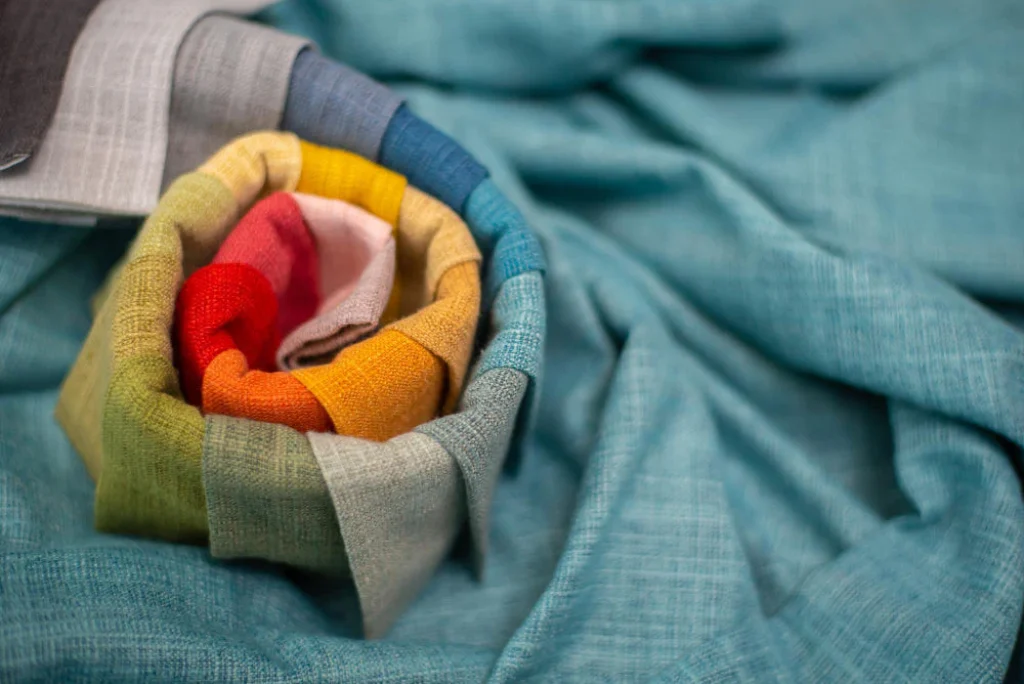
First, there is a growing desire for fashion that feels luxe and personal. As people become more discerning shoppers, they want garments that offer something special—something that can’t be replicated by fast fashion or fleeting trends. Texture brings depth and richness that instantly elevates even a basic silhouette.
Second, the embrace of textural dressing is closely connected to the rise of slow fashion. Consumers are gravitating toward long-lasting fabrics like wool blends, heavy cottons, jacquards, and artisanal weaves. These materials not only look beautiful but also stand the test of time.
Lastly, this trend speaks to our senses. In a world dominated by screens, something about texture feels grounding. It reconnects us to the physical world through touch, softness, movement, and form.
Key Textures Defining This Trend
Textural dressing is a broad style space with countless interpretations, but a few textures are leading the way in 2025:
1. Plush & Boucle
Soft, cozy boucle jackets, skirts, and handbags add instant elegance. They make even casual outfits look polished and sophisticated.
2. Crinkled & Wrinkled Fabrics
Intentional wrinkles are now a fashion statement—crinkled satin, pleated organza, and textured cotton are redefining eveningwear and daytime layering.
3. Sheer Layers
From mesh turtlenecks to organza overlays, lightweight textures create depth without bulk. Sheer pieces also allow playful layering and interesting contrasts.
4. Soft Leather & Suede
Supple leathers, faux leathers, and suede are more flexible and wearable than ever. Designers are using them in dresses, sets, and even relaxed trousers.
5. Metallic Threads & Low-Shine Shimmer
Soft metallic fabrics—not flashy, but gently reflective—catch the light beautifully, making everyday looks feel more artistic.
How to Style Textural Dressing Without Overwhelming Your Look
One of the best parts of this trend is its versatility. You can go bold or stay subtle, depending on your preference.
Here’s how to work texture into your wardrobe effortlessly:
- Start with one focus texture—a chunky knit, a suede skirt, or a textured coat—and keep the rest simple.
- Mix contrasting textures like silky fabrics with rough weaves to create balance.
- Use texture to elevate basics, such as pairing a ribbed turtleneck with smooth tailored pants.
- Experiment with tone-on-tone dressing using different textures in the same color for a rich, monochromatic look.
- Try textured accessories, like woven bags, sculptural jewelry, or embroidered scarves, if you prefer subtlety.
Textural dressing doesn’t require a wardrobe overhaul—it invites you to see what you already own in a new light.
Why This Trend is Perfect for All Seasons
Unlike trends tied to a specific season, textural dressing transitions naturally year-round. In cooler months, heavier textures like wool, boucle, and leather add warmth and structure. In warmer seasons, airy textures like linen, mesh, and organza keep outfits stylish without the weight.
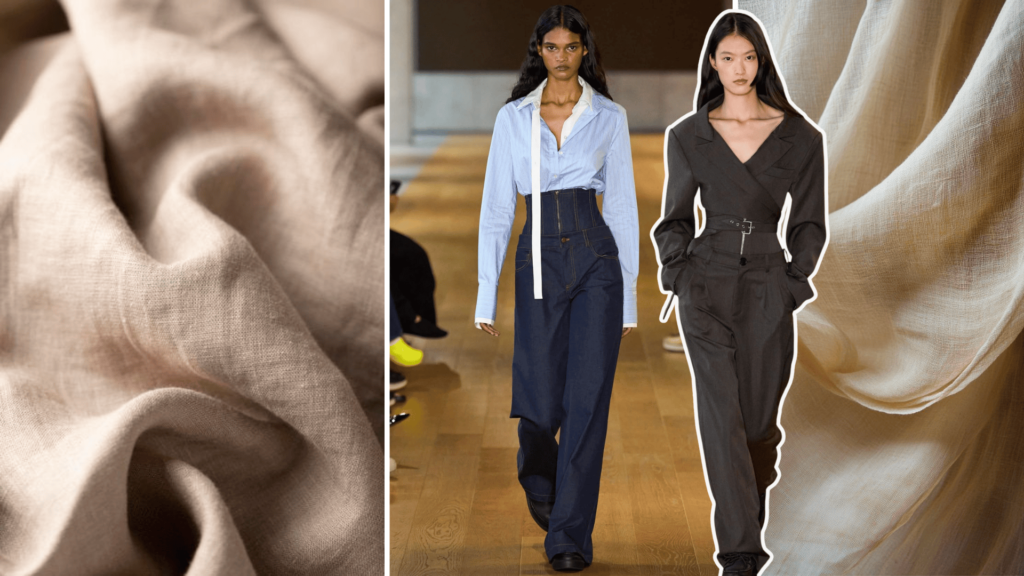
Because of its flexibility, this trend has longevity—a rare feature in modern fashion cycles.
The Rise of Sensory Fashion
At its core, textural dressing reflects a deeper shift in fashion: the desire for emotional connection. Clothing is no longer just visual; it’s experiential. People want textures that spark joy, comfort, nostalgia, or curiosity. Whether it’s the soft fuzz of a sweater or the crispness of pleated fabric, texture adds a personal dimension to style that feels intimate and expressive.
Fashion That Invites Touch, Emotion, and Self-Expression
What makes textural dressing so exciting is that it transforms the familiar into the extraordinary. A simple skirt becomes sculptural, a basic top becomes tactile, and a monochrome outfit suddenly carries layers of visual interest. In 2025, fashion is not just about being seen—it’s about being felt.