 Vivian Cao
 In a hyperconnected world filled with constant notifications and crowded tourist hotspots, a growing number of travelers are choosing to disconnect completely. Off-grid and remote adventures have become one of the most exciting travel movements of 2026 — offering raw landscapes, limited Wi-Fi, and experiences that prioritize nature over luxury.
For many, the appeal isn’t just about isolation. It’s about reconnection — with the earth, with simplicity, and with oneself.
The Allure of True Remoteness
Unlike traditional vacations centered around resorts or city attractions, off-grid travel focuses on destinations far from urban infrastructure. These journeys often involve eco-lodges powered by solar energy, cabins accessible only by boat, desert camps, or wilderness trekking routes where mobile signals fade away.
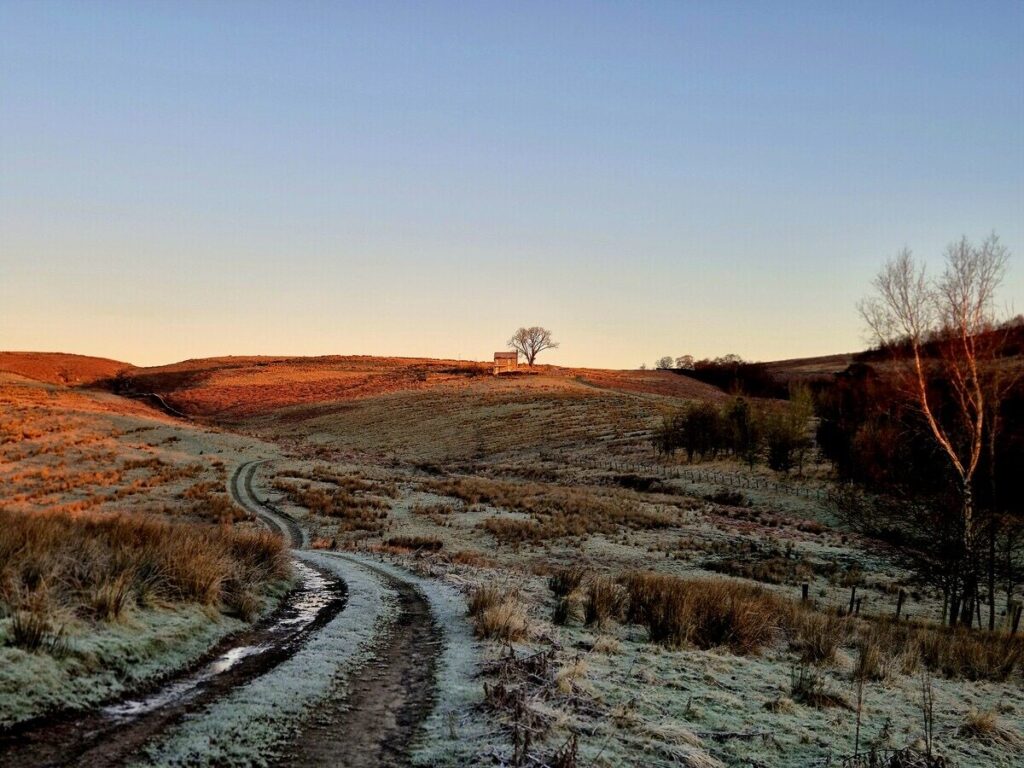
Places like Patagonia draw adventurers seeking vast glaciers, rugged mountains, and untouched landscapes. Meanwhile, the Arctic wilderness of Svalbard offers icy silence and dramatic polar scenery few ever witness.
These destinations don’t promise convenience — they promise authenticity.
Digital Detox as a Luxury
Ironically, limited connectivity has become a luxury in itself. In remote eco-retreats across Iceland or the expansive outback of Australia, travelers intentionally surrender constant online access.
Without screens competing for attention, small details become profound: the crackle of a campfire, the rhythm of waves against a remote shoreline, or the brilliance of a sky filled with stars unpolluted by city lights.
Time slows down. Conversations deepen. Sleep improves.
What once felt inconvenient now feels transformative.
Adventure-Driven Experiences
Off-grid travel often pairs with physical exploration. Multi-day hiking routes like the trails of Torres del Paine National Park demand endurance but reward travelers with surreal granite peaks and turquoise lakes.
In the deserts of Namibia, remote safaris provide encounters with wildlife against otherworldly red dunes. Far from crowded game reserves, the experience feels intimate and humbling.
These journeys shift focus from sightseeing to immersion. Travelers aren’t just observing landscapes — they are moving through them.
Sustainable and Low-Impact Travel
Many off-grid adventures align naturally with sustainable practices. Solar-powered cabins, composting toilets, locally sourced meals, and minimal waste operations are common features in remote accommodations.
Eco-lodges in places like Amazon Rainforest often operate with strict conservation principles, protecting biodiversity while offering guided nature experiences.
Travelers drawn to remote escapes are often motivated by environmental awareness. They seek destinations that protect natural ecosystems rather than exploit them.
Mental Reset and Self-Discovery
The psychological benefits of remote travel are significant. Stepping away from constant stimulation allows for reflection and clarity. Long hikes or quiet mornings overlooking wilderness landscapes create space for introspection.
In remote mountain villages or isolated islands, daily routines simplify. Meals are shared communally. Sunrises replace alarm clocks. Physical activity replaces scrolling.
Many travelers describe returning from off-grid journeys feeling mentally lighter and emotionally grounded.
Preparation Is Essential
Off-grid adventures require more planning than conventional trips. Weather conditions, limited supplies, and transportation logistics must be considered carefully. Travelers often pack thoughtfully, prioritize safety gear, and rely on local guides for navigation.
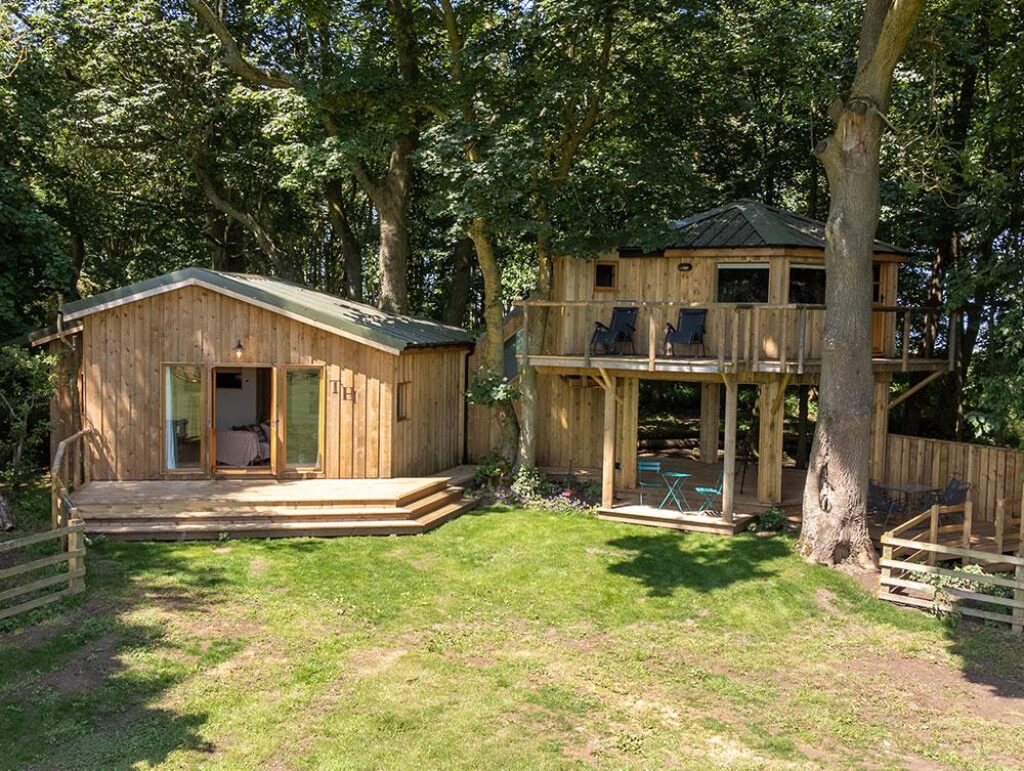
In regions like Alaska, unpredictable terrain and wildlife encounters demand preparation and respect for the environment.
The remoteness that makes these trips magical also requires responsibility.
The Future of Remote Travel
As overtourism affects major cities and popular landmarks, travelers are increasingly searching for quiet alternatives. Off-grid travel satisfies that desire while offering meaningful connection to nature.
It represents a shift away from consumption-driven tourism toward experience-driven exploration. Instead of checking landmarks off a list, travelers seek stories, silence, and authenticity.
In the end, off-grid adventures are less about escape and more about return — returning to simplicity, to stillness, and to the wild spaces that remind us how small and extraordinary the world truly is.