 Vivian Cao
 Not long ago, skincare routines were becoming increasingly complicated. Ten-step regimens, overflowing bathroom shelves, and constant product launches made beauty feel more like a chore than self-care. Then skin cycling emerged—offering a structured, simplified approach that promised better results with fewer products. Now, that trend has evolved into something even more refined. Welcome to Skin Cycling 2.0, where beauty routines are getting smarter, not longer.
The original concept of skin cycling focused on rotating active ingredients—like exfoliants and retinoids—across a multi-day schedule to prevent irritation and strengthen the skin barrier. It worked because it respected the skin’s natural recovery process. But Skin Cycling 2.0 takes this idea further, shifting from rigid routines to personalized, adaptive skincare that responds to real-life conditions.
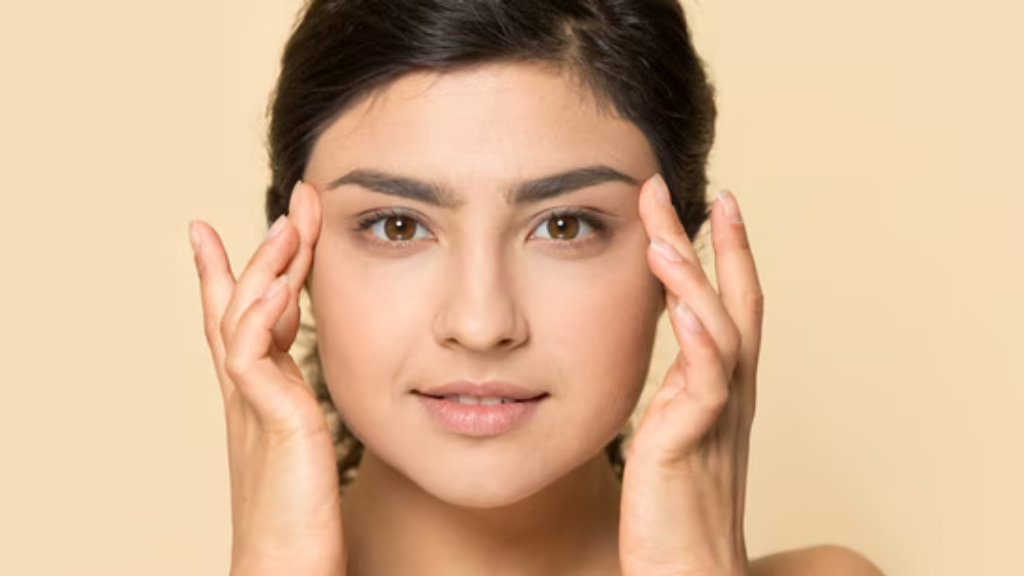
At the heart of this evolution is awareness. People are paying closer attention to how their skin behaves day to day. Stress, sleep, diet, hormones, weather, and pollution all affect skin health, and modern routines now reflect that understanding. Instead of blindly following a calendar-based routine, skincare enthusiasts are learning to read their skin’s signals and adjust accordingly.
This smarter approach emphasizes flexibility. On days when the skin feels tight, sensitive, or inflamed, recovery takes priority over treatment. Gentle cleansers, nourishing moisturizers, and barrier-repair ingredients like ceramides and niacinamide step in. When the skin feels strong and balanced, exfoliation or retinoids are reintroduced. The result is consistency without overcorrection.
Another key element of Skin Cycling 2.0 is ingredient efficiency. Rather than layering multiple serums that do similar things, people are choosing multifunctional formulas. Products that combine hydration, antioxidant protection, and barrier support are replacing long product lists. This not only reduces irritation but also makes routines more sustainable and cost-effective.
Technology and education have also played a role in this shift. With easier access to dermatologist advice, ingredient breakdowns, and skin science content, consumers are more informed than ever. Skincare decisions are less trend-driven and more evidence-based. People want to understand what they’re applying and why it works, rather than chasing viral hype.
Skin Cycling 2.0 also aligns with the growing focus on skin barrier health. Over-exfoliation and aggressive treatments once dominated beauty trends, often leaving skin compromised. Today, maintaining a resilient barrier is seen as the foundation of glowing skin. Cycling active ingredients while prioritizing recovery days helps protect this barrier, resulting in calmer, healthier-looking skin over time.
Sustainability is another factor shaping this new era. Smarter routines naturally lead to mindful consumption. Fewer products mean less waste, fewer impulse buys, and a deeper appreciation for quality over quantity. Many people are now finishing products completely instead of constantly switching to the next new launch.
Perhaps the most important change is psychological. Skin Cycling 2.0 reframes skincare as supportive rather than corrective. The goal is no longer to “fix” skin, but to care for it long-term. This mindset encourages patience and self-acceptance, reminding people that good skin is not about perfection but balance.
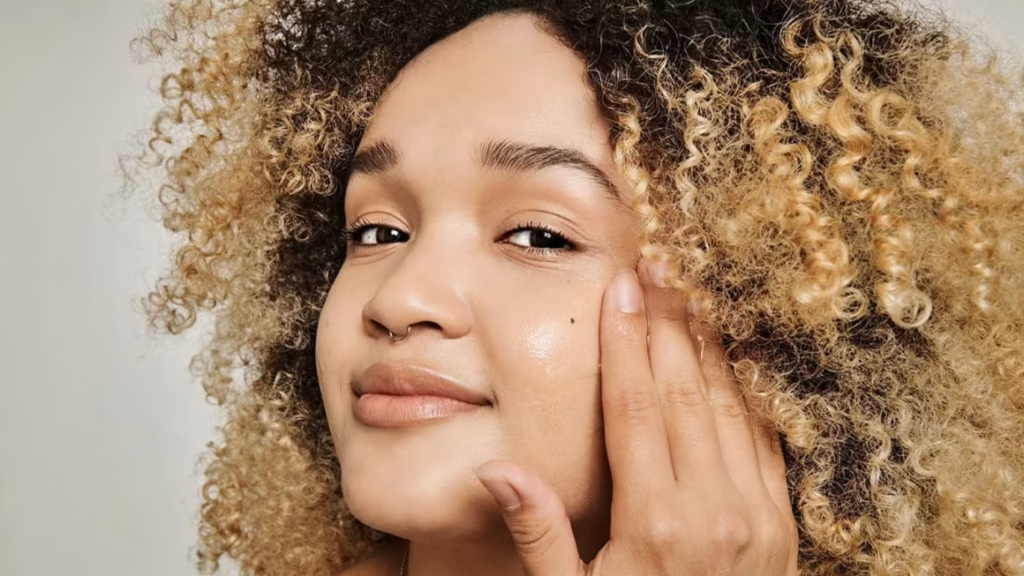
In a world that constantly pushes more—more products, more steps, more results—Skin Cycling 2.0 feels refreshing. It proves that effective skincare doesn’t require excess. By listening to your skin, choosing ingredients thoughtfully, and allowing time for recovery, beauty routines become more intuitive, calming, and sustainable.
Ultimately, Skin Cycling 2.0 reflects a broader shift in beauty culture. It values knowledge over noise, intention over impulse, and health over hype. And that’s why smarter routines, not longer ones, are shaping the future of skincare.