 Vivian Cao
 In 2026, confidence in fashion is no longer loud, flashy, or trend-chasing. Instead, it shows up as quiet boldness—a style philosophy built on self-trust, ease, and thoughtful choices. This new movement reflects a cultural reset where people dress less for approval and more for alignment with who they are and how they live. Style has become a form of self-respect rather than self-promotion.
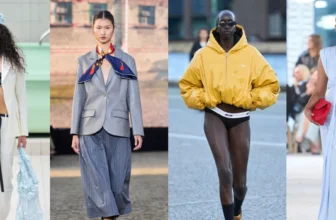
One of the most defining characteristics of this shift is intentional restraint. Outfits are simpler, but never boring. Clean silhouettes, subtle tailoring, and carefully chosen fabrics do the heavy lifting. The focus is on how clothes feel and function, not how many trends they include. This approach allows confidence to come from presence and posture, not from excess styling.
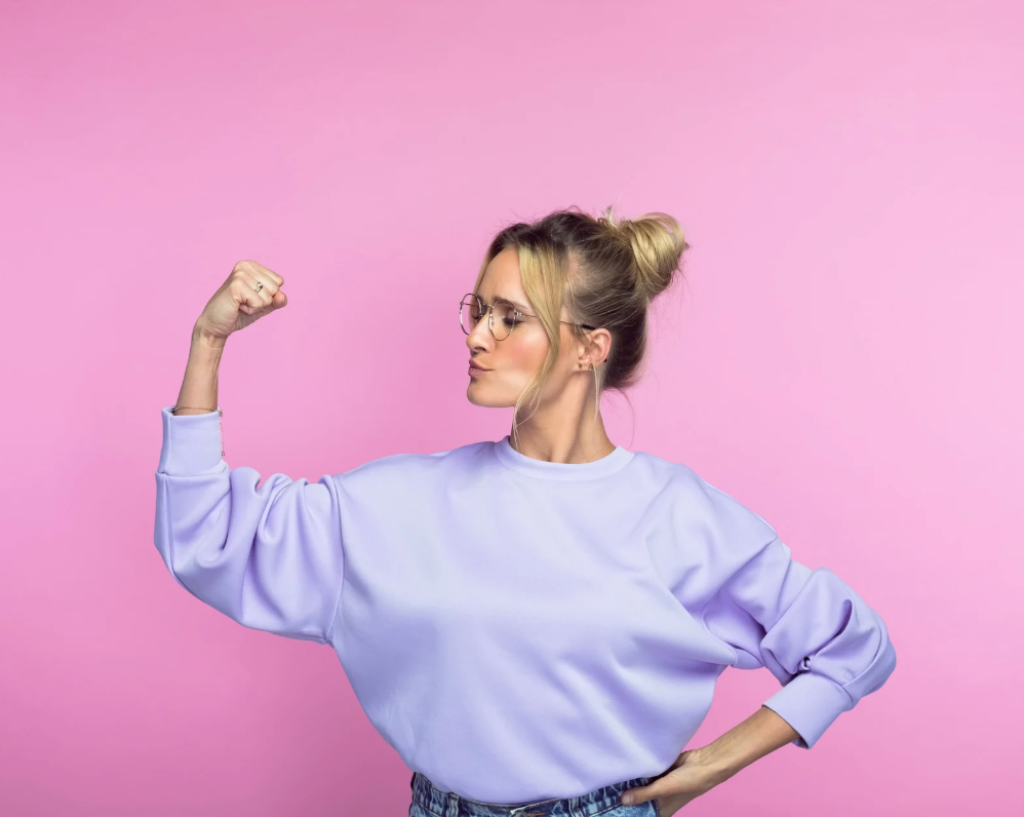
The concept of “everyday elegance” is central to this movement. Clothing is designed to transition smoothly between moments—work, travel, social life, and rest—without the need for constant outfit changes. Relaxed blazers, fluid trousers, knit dresses, and versatile sets dominate wardrobes because they adapt effortlessly. When clothing works with your lifestyle, it removes friction and supports calm confidence.
Material choice is more important than ever. In 2026, people are prioritizing texture, weight, and breathability. Natural and hybrid fabrics—such as linen blends, fine merino, bamboo cotton, and soft technical textiles—are favored for their comfort and durability. These materials age well, reinforcing the idea that confidence grows with familiarity rather than novelty.
Color plays a psychological role in this new style era. Neutral foundations like oat, mushroom, charcoal, and warm taupe create stability and versatility. These are often paired with muted statement tones—inky blue, oxidized green, terracotta, or soft plum—to express personality in a controlled way. The result is a wardrobe that feels grounded yet expressive, calm yet distinct.
Another powerful aspect of this movement is personal continuity. Instead of reinventing their look each season, people are refining it. They repeat silhouettes that work, build around favorite pieces, and invest in items that feel like extensions of themselves. This repetition isn’t boring—it’s confident. Knowing what suits you and leaning into it is one of the strongest style statements of 2026.
Accessories have become more architectural and meaningful. Rather than following micro-trends, people are choosing pieces with presence—structured bags, sculptural jewelry, timeless footwear. These elements add character without overwhelming the outfit. Accessories now function as punctuation marks, not exclamation points.
Sustainability is deeply woven into this style philosophy. Conscious consumption has shifted from being aspirational to being standard. People are buying less, choosing better, and caring more for what they own. This mindset reinforces confidence through responsibility and intention, turning fashion into a reflection of values rather than impulse.
Gender expression in fashion continues to expand fluidly. Clothing is no longer boxed into rigid categories, allowing individuals to explore silhouettes, textures, and proportions freely. This freedom strengthens self-expression and encourages dressing based on emotion and identity rather than expectation.
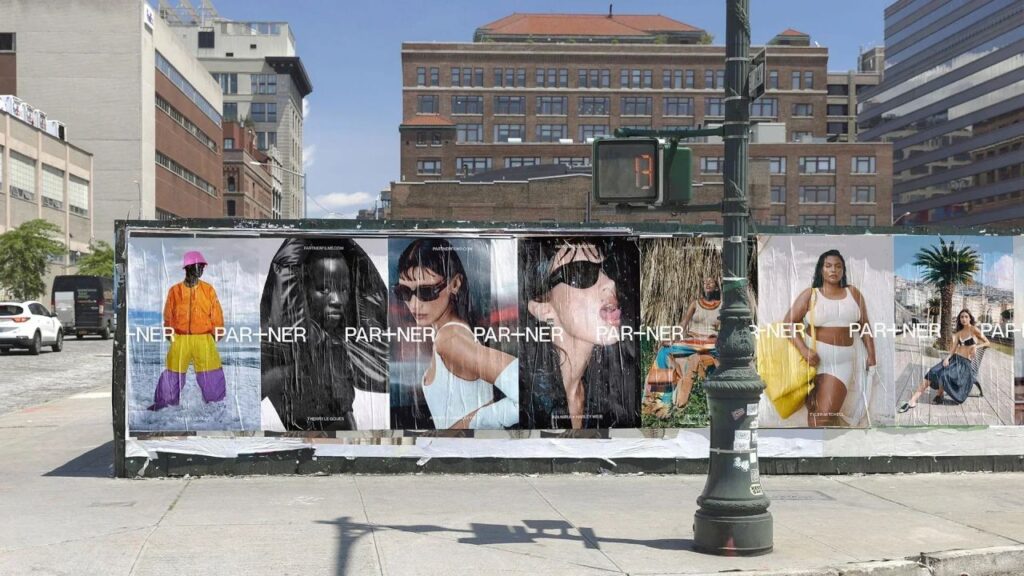
Ultimately, the 2026 style shift is about inner clarity made visible. When people dress in a way that supports their energy, values, and lifestyle, confidence becomes effortless. Quiet boldness proves that you don’t need to shout to be seen—you just need to show up as yourself.
In a world saturated with noise, this calm, confident approach to style feels not only refreshing, but powerful.