 Vivian Cao
 Beauty today is no longer confined to flawless finishes or rigid standards. It has evolved into a broader concept that embraces individuality, wellness, and conscious choices. Modern beauty trends reflect a shift in mindset—from covering up imperfections to celebrating natural features and caring for skin, hair, and body in a more thoughtful way. This new era of beauty focuses on long-term health, authenticity, and personal expression.
One of the most influential trends shaping the beauty industry is the move toward skin-first beauty. Instead of relying heavily on makeup, people are investing in skincare routines that support healthy, glowing skin. Gentle cleansers, hydrating serums, and barrier-repair products have become essentials. Ingredients like hyaluronic acid, niacinamide, and ceramides are favored for their proven benefits, highlighting a more educated and ingredient-aware consumer.
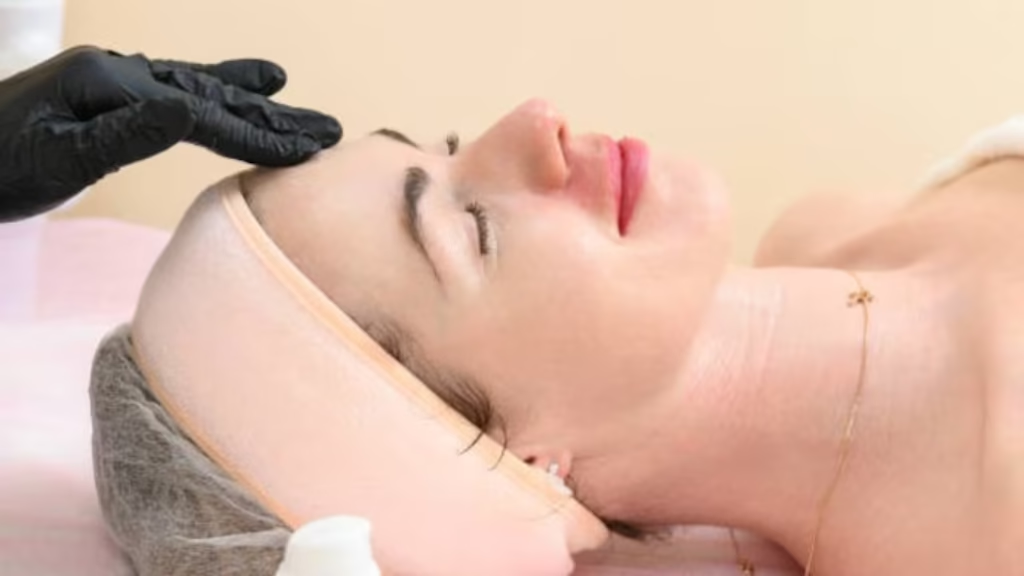
Minimalism is also transforming beauty routines. The idea of “less but better” is gaining popularity, with streamlined skincare and makeup collections replacing cluttered shelves. Multi-use products—such as tinted moisturizers, lip-and-cheek balms, and all-in-one treatments—offer convenience without compromising results. This simplified approach makes beauty more accessible and sustainable.
Clean and conscious beauty continues to gain momentum. Consumers are paying closer attention to product formulations, choosing brands that prioritize transparency, ethical sourcing, and cruelty-free testing. While “clean beauty” means different things to different people, the common focus is on safety, responsibility, and trust. Eco-friendly packaging and refillable options further reflect the industry’s commitment to reducing environmental impact.
Technology is playing an increasingly important role in modern beauty. From virtual try-on tools to AI-powered skin analysis, digital innovation is changing how people discover and use products. Personalized recommendations based on skin type, lifestyle, and concerns help consumers make more informed choices. These advancements make beauty routines more tailored and effective than ever before.
Haircare is also experiencing a shift toward health and individuality. Embracing natural hair textures is becoming more common, encouraging people to work with their hair rather than against it. Scalp care has emerged as an important focus, with treatments designed to promote growth, balance, and overall hair health. This holistic approach recognizes that beautiful hair starts at the root.
Wellness and beauty are becoming deeply connected. Self-care rituals such as facial massage, gua sha, and mindful application techniques are turning daily routines into moments of relaxation. Beauty is no longer rushed—it’s intentional. This connection between beauty and mental well-being reinforces the idea that caring for oneself goes beyond appearance.
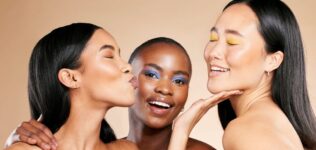
Inclusivity remains one of the most meaningful changes in the beauty industry. Brands are expanding shade ranges, celebrating diverse skin tones, ages, and genders, and featuring real people in campaigns. This shift is helping more individuals see themselves represented and valued. Beauty is being redefined as something personal rather than prescriptive.
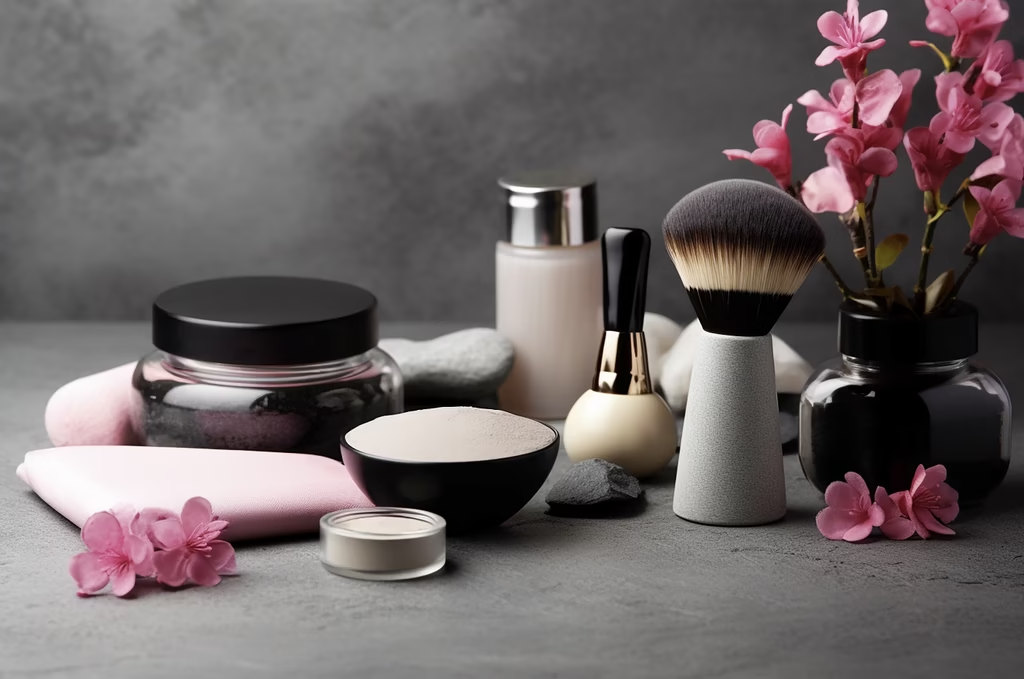
Makeup trends reflect this balanced approach. Soft, natural finishes dominate, with emphasis on luminous skin, subtle definition, and wearable colors. Bold looks still have their place, but they are seen as creative expressions rather than everyday expectations. This flexibility allows people to adapt beauty to their mood and lifestyle.
Ultimately, the new beauty landscape is about empowerment. It encourages people to understand their own needs, make informed choices, and define beauty on their own terms. By blending science, sustainability, wellness, and inclusivity, modern beauty has become more than an industry—it is a reflection of how people care for themselves and embrace who they are.