
 Vivian Cao
 Magnesium is one of the most essential yet overlooked minerals in our diets. It’s involved in hundreds of biochemical reactions, supporting nerve function, muscle recovery, stable mood, and restful sleep. Many people know almonds are a good source of magnesium, which is why they’ve become a staple snack for health-conscious eaters. But almonds are far from the only option—and certainly not the strongest.
The world of magnesium-rich foods is far more diverse, delicious, and nutrient-packed than most people realize. Below, we compare almonds to seven impressive natural sources that can elevate your magnesium intake while adding flavor and variety to your meals.
Why Almonds Still Matter
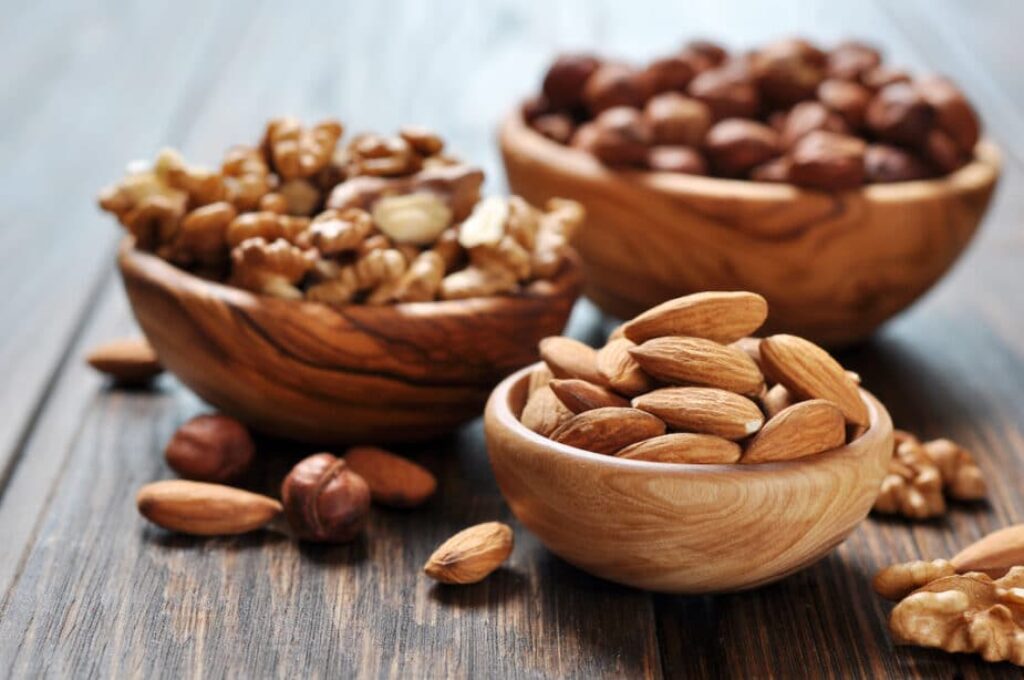
Before exploring the alternatives, it’s worth noting why almonds remain so beloved. A single ounce delivers a solid dose of magnesium, along with vitamin E, protein, and healthy fats. They’re portable, versatile, and easy to incorporate into meals. But when it comes to magnesium density, almonds have stiff competition—and several foods on this list surpass them by a wide margin.
1. Pumpkin Seeds: The Magnesium Heavyweight
If almonds are reliable, pumpkin seeds are exceptional. These small seeds pack one of the highest concentrations of magnesium found in plant foods. In just an ounce, you often get nearly twice as much magnesium as almonds. That makes them an ideal choice for boosting intake quickly. Sprinkle pumpkin seeds on soups, blend them into pesto, or eat them roasted with sea salt for a mineral-rich snack.
2. Chia Seeds: Tiny Seeds With Big Minerals
Chia seeds are hailed for their omega-3 content and ability to absorb liquid, but their magnesium profile is just as noteworthy. Ounce for ounce, chia seeds tend to provide significantly more magnesium than almonds. And because they’re so easy to stir into yogurt, smoothies, cereals, or baked goods, they’re a practical daily source that requires almost no preparation.
3. Spinach: A Leafy Green Magnesium Booster
Cooked spinach is one of the most underrated magnesium foods. While the mineral density per ounce may appear lower at first glance, spinach’s extremely low calorie count means you can enjoy generous servings. A half cup of cooked spinach rivals the magnesium levels found in an ounce of almonds—and offers iron, folate, fiber, and antioxidants. Add it to omelets, pasta dishes, or garlic-sautéed sides to amplify your nutritional intake.
4. Black Beans: A Nourishing, Protein-Rich Source
Black beans deliver a powerful combination of plant protein, fiber, and magnesium. A single cup of cooked black beans provides more total magnesium than a typical almond snack portion. They’re also budget-friendly and satisfyingly filling. From burrito bowls to salads to hearty stews, black beans adapt beautifully to countless recipes.
5. Edamame: A Balanced Snack for Steady Energy
While edamame doesn’t surpass almonds in raw magnesium concentration, it holds its own—especially when considering overall nutrient balance. Edamame is rich in protein, fiber, and essential minerals, making it a well-rounded snack that supports energy and satiety. Enjoy it steamed with a touch of sea salt or tossed into stir-fries, rice bowls, and salads.
6. Quinoa: The Grain That Outshines Almonds
Quinoa continues to impress nutritionists with its complete amino acid profile, high fiber content, and mineral density. A cooked cup of quinoa provides a notable magnesium boost, beating almonds in total magnesium per typical serving. Use quinoa as a base for savory bowls, pilafs, or even breakfast porridges when you need both minerals and lasting energy.
7. Dark Chocolate: A Sweet Way to Add Magnesium
Dark chocolate—especially varieties with 70% cocoa or higher—offers a surprisingly meaningful amount of magnesium. Depending on the brand, its magnesium content can be similar to or slightly lower than almonds. But the added antioxidants and rich flavor make it a delightful way to diversify your magnesium intake. A square or two after dinner is all you need to benefit.

The Takeaway: Mix, Don’t Rely on Just One
Almonds are a dependable source of magnesium, but relying on them alone means missing out on the wide spectrum of flavors and nutrients offered by other magnesium-rich foods. Pumpkin seeds, chia seeds, spinach, black beans, edamame, quinoa, and dark chocolate all bring unique strengths to the table—many outperforming almonds in raw mineral content or overall nutritional value.
Aim for variety throughout the week, pairing almonds with a rotation of seeds, greens, legumes, and whole grains. Your body will thank you with better energy, calmer nerves, and more restful sleep—natural rewards for giving magnesium the attention it deserves.